Before you start reading, there is also a post written below in English but it doesn’t include the exact same content… sorry!
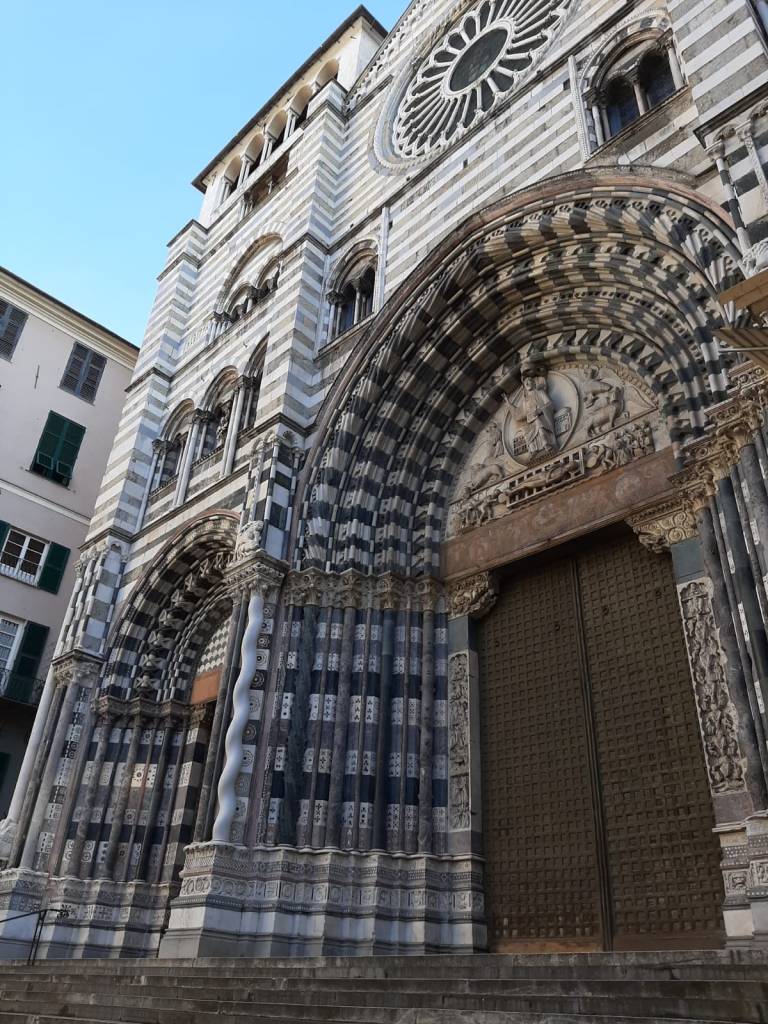
La città di Genova ha molte cose belle, ma quando cammino per la città, vedo molte cose di epoche diverse. Per esempio, il settimana scorso ho visto la cattedrale di San Lorenzo. Guardandolo, vedi una cattedrale grande e bellissima, ma se guardi più da vicino, puoi vedere quanto è piccola la prima versione della chiesa.
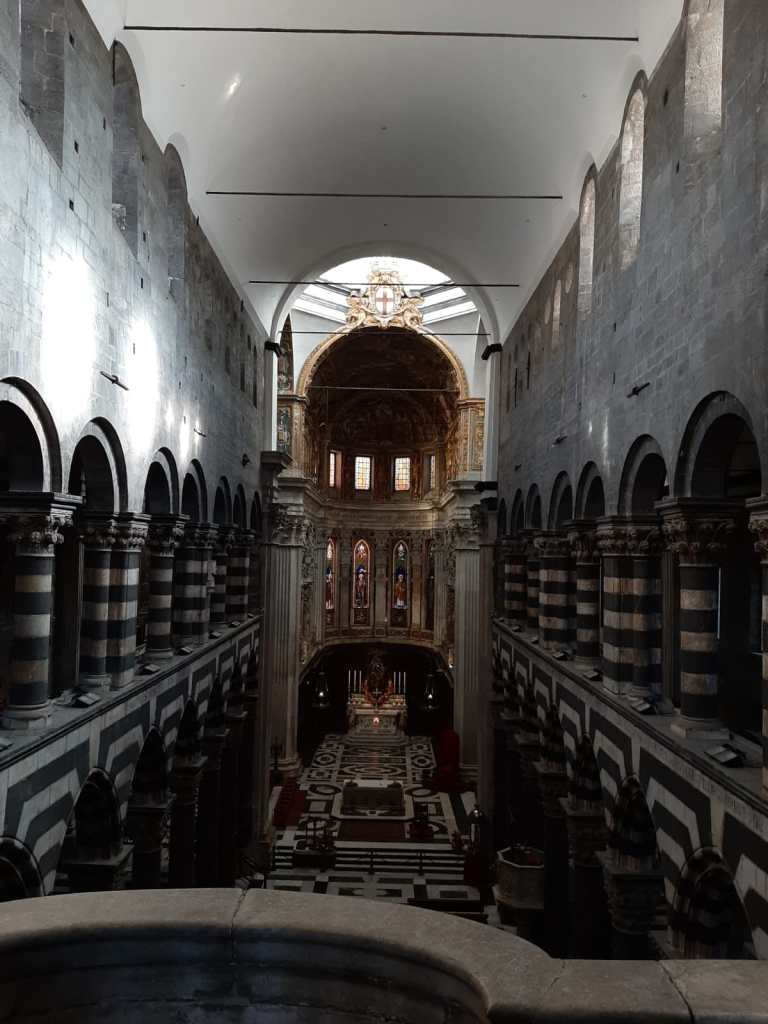
Questa cattedrale fu costruita tra il XII e il XIV secolo, e ebbe il contributo di artisti di Pisa, Lombardia, Francia e Normandia che vi lavorarono tra il XII e il XVII secolo, fondendo lo stile romanico e gotico. Per esempio, il marmo verde e rosa fu introdotto dai francesi.
Quando ho parlato con un amico della mia famiglia ospitante, ho capitato quella anche se Genova mantenne la sua indipendena funo alla fine del 1700, fu dominata da paesi come la Francia e il Piemonte.
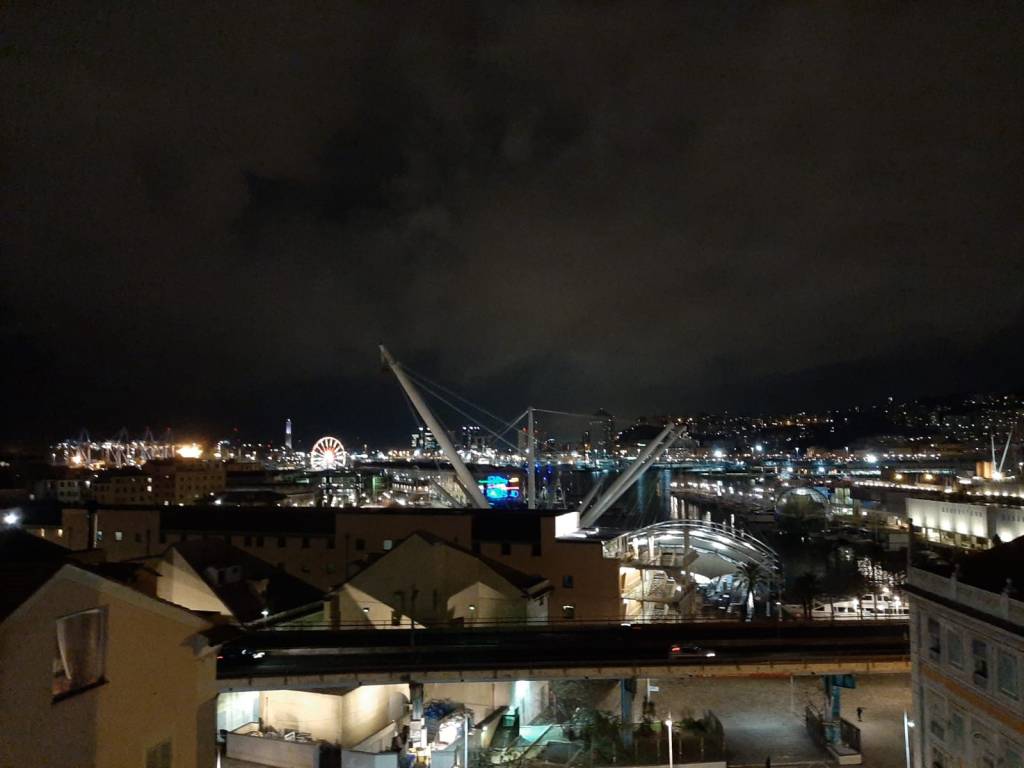
Genova è stata storicamente uno dei porti più importanti del Mediterraneo. In porto antica, la madre della famiglia ospitante ha mostrato dove è iniziata il porto quando era più giovane. A sinistra della foto è la vecchia di Genova, perchè c’è non molte luce!
Secondo me, ora capisco perché è molti importante per studiare filosofia in la scuola qui. La storia di Genova e dell’Europe è molte complicata e ricca, e molti filosfi ed esploratori hanno vissuto qui. Ci sono molte cose interessanti da leggere, studiare, conoscere e capire a Genova e molte altre domande da porre. Questa è molta diversa dall’Australia, ma per me, vorrei studiare filosofia a scuola perché è un modo diverso di pensiero.
Who are we? Where are we? Where are we going? (A more detailed discussion of the above post)
The city of Genova is gorgeous, but when you walk around, you do tend to see a varitey of buildings and designs from a lot of different eras during the time Genova was inhabitant.
You are able to see this at the Cathedral of San Lorenzo, where you can see how big (or small) the church really was when it was originally built. You are also able to see inputs of various artists from neighbourhood areas, such as when the French Renaissance were in Genova, as they commoly used green and pink marble on the churches.
As Genova was founded in 4 BC, it was a very important Roman Port, and consequently occupied later by the Franks, Saracens and Milanese. I realised that even though Genova was an independent for 700 years, it was so constantly influenced by other countries. In the middle ages they were even dominated by the French and Austrian as well for a period before the Risogimento in the late 1800s (pardon me my history is a bit scratchy!).
This history of the lasting buildings may be more a question of Genovese architecture, the habit to build on existing structures and recycling recovered materials from older buildings. In fact, you can actually notice how this habit of not getting rid of history continued throughout the years, because throughout Genova you will see a nice alleyway of houses and then randomly to your right an old fountain!
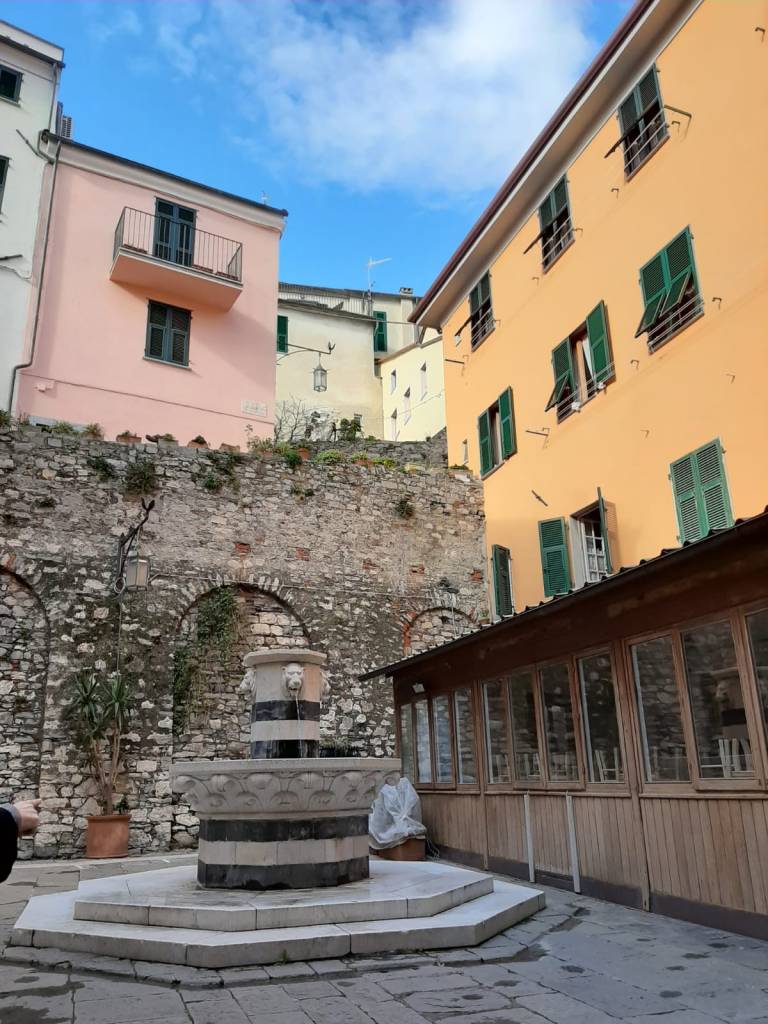
And where’s the rest of it?
You will even be able to see and practically smell the history and culture that have been combined and preserved throughout history, where one medieval base is serving as the base of a 14th Century building, and other gothics designs supporting modern shops through the tight alleyways of Genova.
Knowing that a lot of important philosopers were from Italy, they have created an impact on the core of today, such as modern Political Science, Education, the Age of Enlightenment, and many ideologies and isms. It also questions the development of architecture and the meaning of human habitation as well as its meaning to live in such environments. All this, despite not being a lot of information, is reason enough why this subject is studied here in Italy.
The schooling system offers a variety of pathways, but at the Liceo Classico Cristoforo Colombo (I don’t teach there but my host brother goes to this school), they offer philosophy, where you start first year of high school learning all the big philosophers, before focusing in on how it relates to us today. In one of my philosophy classes at the Liceo Statle Sandro Pertini they are currently studying Hannah Arendt, the German American philosopher and political theorist who was around at the time of Hitler’s rise to power. They will begin to discuss the range of topics she impacted history on and how it has impact on the political theories of today.
I believe such topics are important to learn about in Australian schools. Whilst I understand that history was made a little differently in Australia, the history of who we are and where our future lies is important, and in my opinion was not discussed enough in the classroom. It almost makes me want to stay in their classes to keep learning! (almost) There is so much to philosophy that allows you to questions so many parts of life and the world, a topic that I know so little about but tried to write about in this blog.
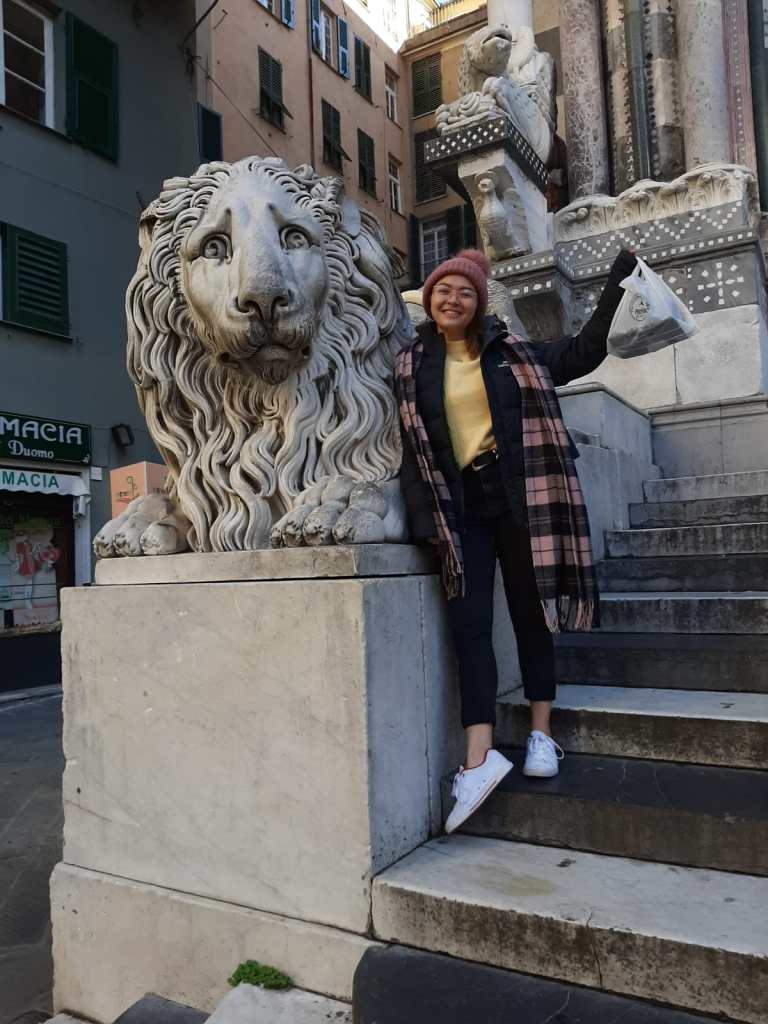
That’s all for now, here’s a picture of me with a lion!
Ciao!
 Jenny is Away
Bellissime osservazioni Jenny! Mi piace l’idea che i vari invasori non avessero tempo di ‘sbarazzarsi’ dei segni della civilta’ precedente! Comunque sono contenta che non siano riusciti a farlo! E sono d’accordissimo con te sull’importanza di studiare la filosofia a scuola: dovrebbe essere una materia per tutti!
Buona continuazione!
Sara
LikeLike